
Building on the water is one of the most rewarding ways to create a home or outdoor space that truly reflects your lifestyle. But before construction begins, there is an important phase that many homeowners overlook. Proper site preparation is what sets the foundation for everything that follows. From shoreline conditions to permits and utilities, every detail matters when you are building near the water.
We believe that a successful waterfront project starts long before the first post is set or the first board is installed. Here is what you need to know to prepare your property the right way.
Site Clearing and Grading Considerations

The first step in any waterfront build is preparing the land itself. Clearing and grading may seem straightforward, but in a waterfront setting, it requires careful planning to avoid future issues.
Key considerations include:
- Removing trees, debris, and vegetation without disrupting shoreline stability
- Grading the land to direct water away from structures
- Preserving natural contours where possible to prevent erosion
- Creating a stable base for foundations, patios, or dock access points
Improper grading can lead to drainage problems, soil washout, and long-term structural issues. We always approach site work with both function and environmental impact in mind.
Soil Stability and Shoreline Evaluation
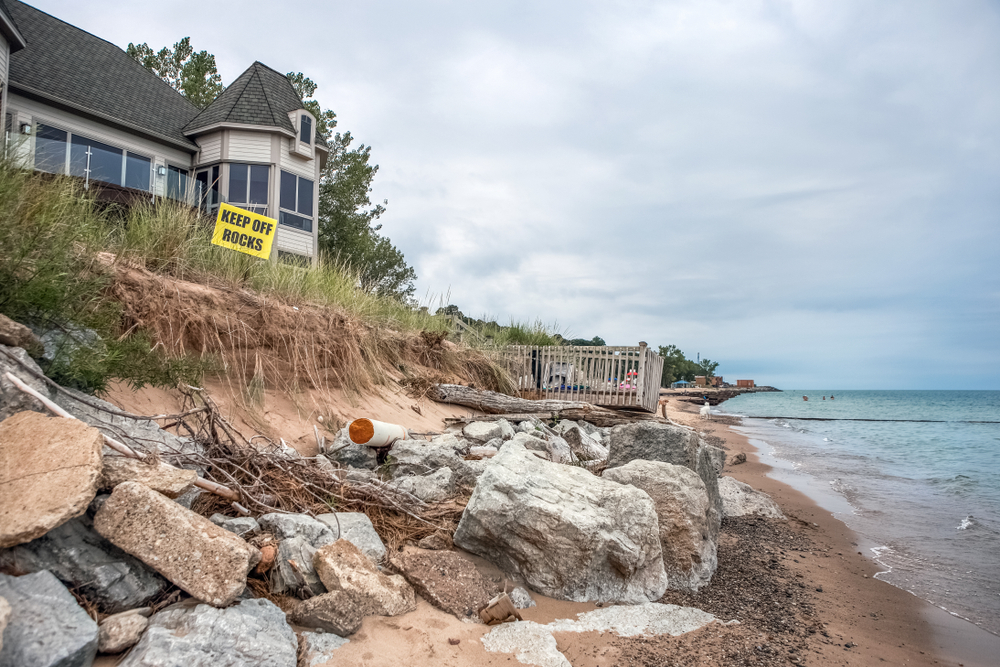
Not all waterfront properties are created equal. Soil composition, water levels, and shoreline conditions play a major role in how your structure should be designed and built.
Before construction, we evaluate:
- Soil type and load-bearing capacity
- Signs of erosion or previous shoreline movement
- Water depth and seasonal fluctuations
- The need for stabilization methods, such as rip-rap or retaining systems
Understanding these factors allows us to design foundations and structural systems that remain stable over time. Skipping this step can result in shifting, settling, or costly repairs down the line.
Permit Timelines for Waterfront Projects
Waterfront construction comes with additional regulations compared to standard residential builds. Permits are often required at both the local and state levels, especially for docks, boathouses, and shoreline modifications.
Common permit considerations include:
- Environmental impact approvals
- Setback requirements from the waterline
- Dock size, height, and placement restrictions
- Shoreline protection guidelines
Permit timelines can vary depending on the scope of your project and the governing agencies involved. Starting early is essential to avoid delays. We help guide this process to ensure all requirements are met before construction begins.
Utility Access and Environmental Factors
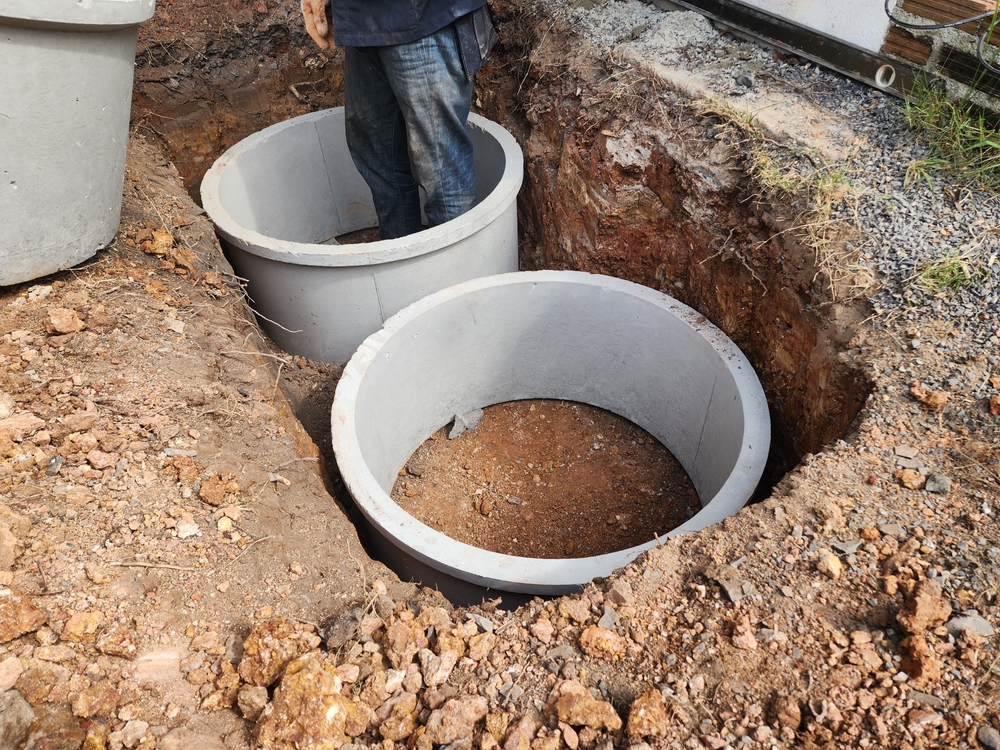
Another critical step is planning how your property will support utilities and handle environmental conditions.
This includes:
- Access to electricity for lighting, lifts, or outdoor features
- Water and septic system placement
- Drainage planning to manage runoff and prevent pooling
- Protecting surrounding vegetation and minimizing environmental impact
In waterfront settings, these elements must be carefully coordinated to avoid interfering with natural water flow or damaging the surrounding landscape. Thoughtful planning ensures your property remains both functional and environmentally responsible.
Start Your Waterfront Project the Right Way
Preparing your property is not just a preliminary step. It is one of the most important parts of the entire process. When site conditions, permits, and infrastructure are handled correctly from the beginning, everything that follows becomes smoother, safer, and more efficient.
Whether you are planning a custom home, dock, boathouse, or outdoor living space, we are here to guide you from shoreline to structure. Our team brings the experience needed to evaluate your property, manage the details, and build with confidence.
If you are thinking about starting a waterfront project, now is the time to begin planning. Contact us today to schedule a consultation and take the first step toward building something that is designed to last and built for how you live.